
 Talk to usTalk to us
Announcements, releases and milestones from across the platform.
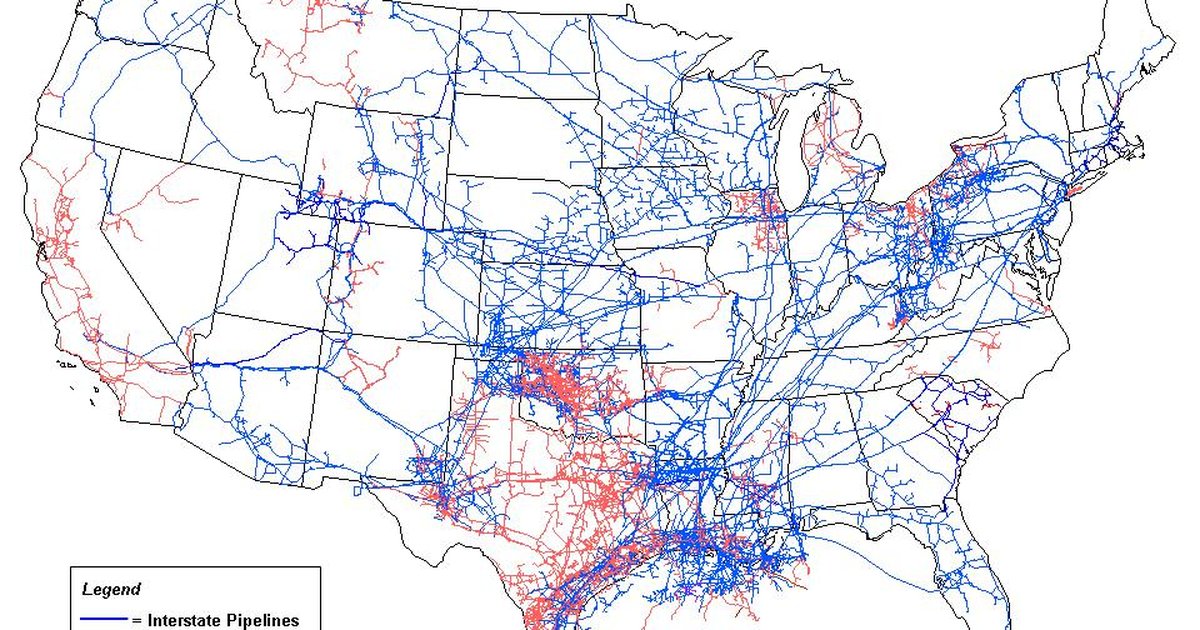
ELES, Plinovodi and Yokogawa will study sector coupling across electricity, gas and hydrogen, with a demonstration plant interfacing both transmission networks.
Onomondo has released an SGP.32 eIM that runs independently of its own connectivity, on the argument that the tool meant to end vendor lock-in should not become the new lock-in point.

Reclamation's award for the final major segment of the Navajo-Gallup project bundles telemetry, fibre and cathodic protection into the civil pipeline scope.
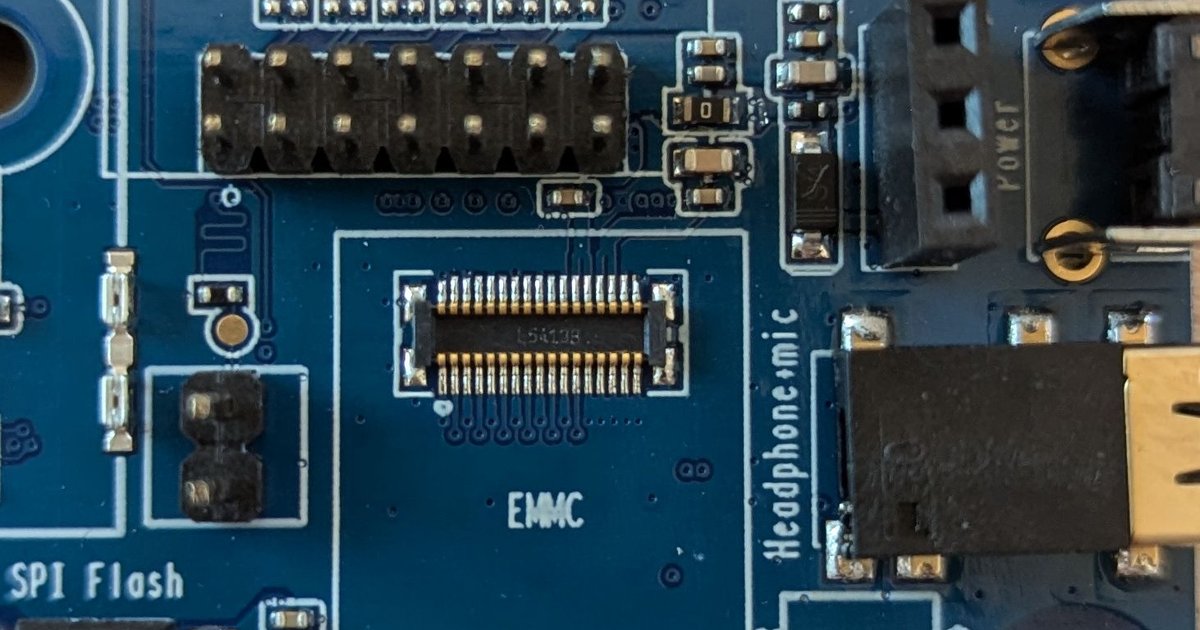
USI's AI Smart Camera combines edge inference with PoE, HDMI and MicroSD, and pairs the hardware with a no-code training platform aimed at people who are not ML engineers.

Daimler's Mount Holly plant swapped a four-eye manual check of a steering-column joint for an AI borescope system, and the reason given was workforce turnover rather than defect rate.

A friendly takeover offer for Robot S.A. of Palma de Mallorca pushes HMS from protocol gateways up into room-level control, alongside its Intesis brand.
The TC03A thermal camera and the ii01 acoustic imager for Android target leak detection and anomaly spotting on routine rounds rather than as a specialist survey.
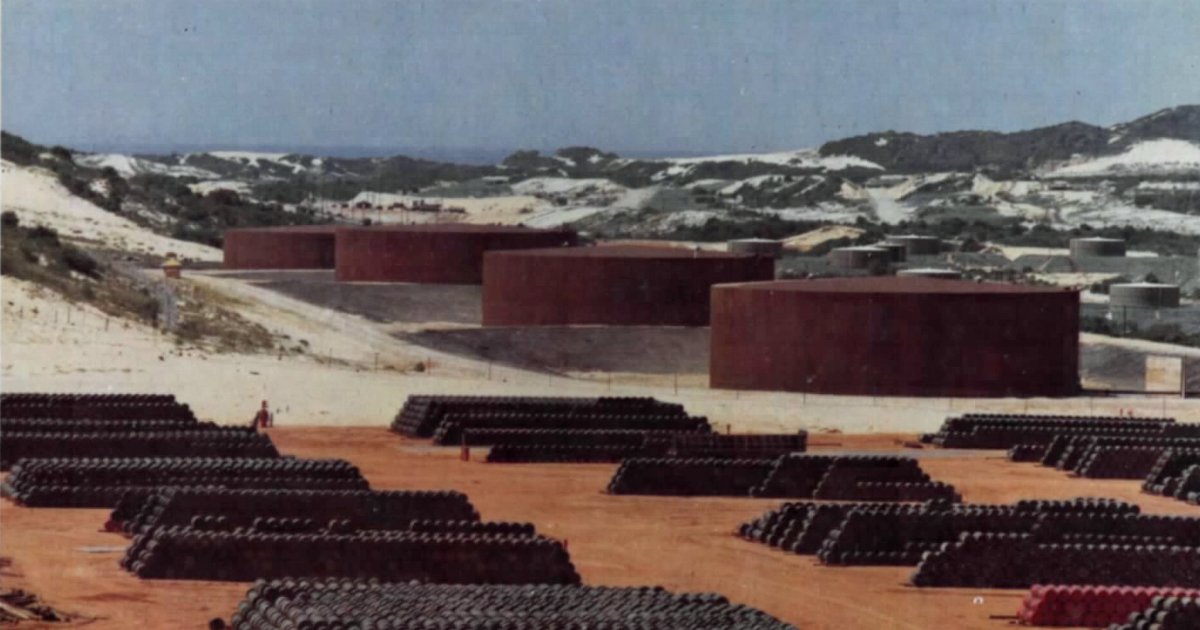
The Rosemount 3408 combines FMCW radar electronics with WirelessHART and long-life power modules, giving non-contacting level measurement with no signal or power wiring to the vessel.

Black Kite's numbers show patching improving slowly, credential exposure not moving at all, and internet-exposed remote-access ports essentially unchanged since 2023.
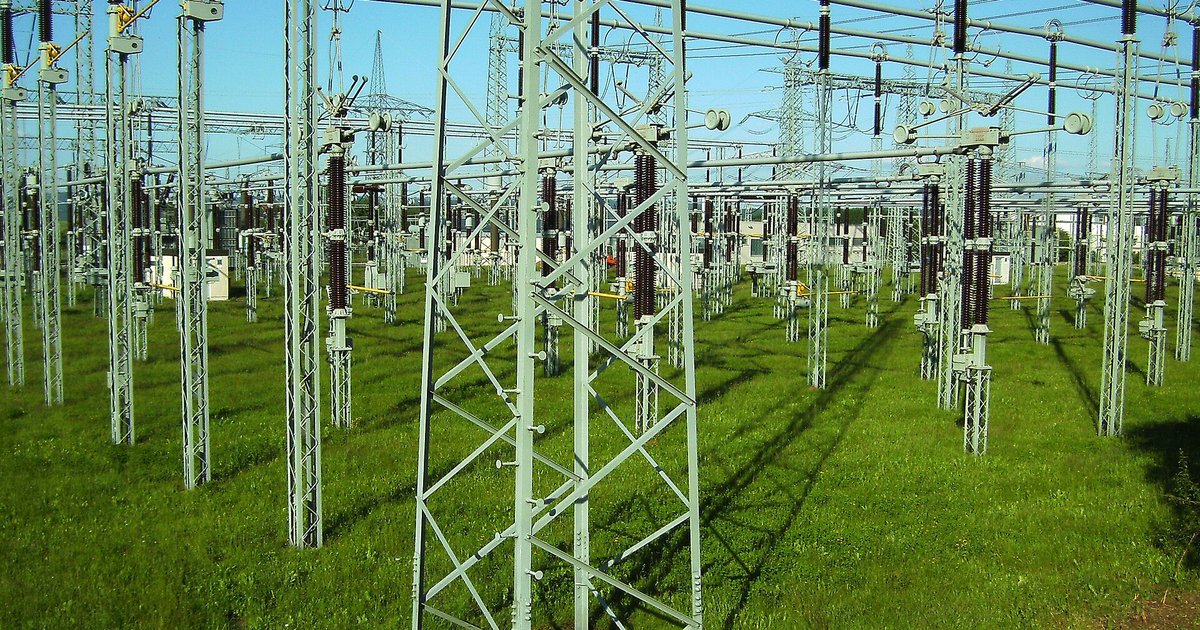
ICSA-26-258-05 aggregates five 2024 identifiers and nine new ones into a single advisory, top score 9.8, with V2.70 as the remedy.
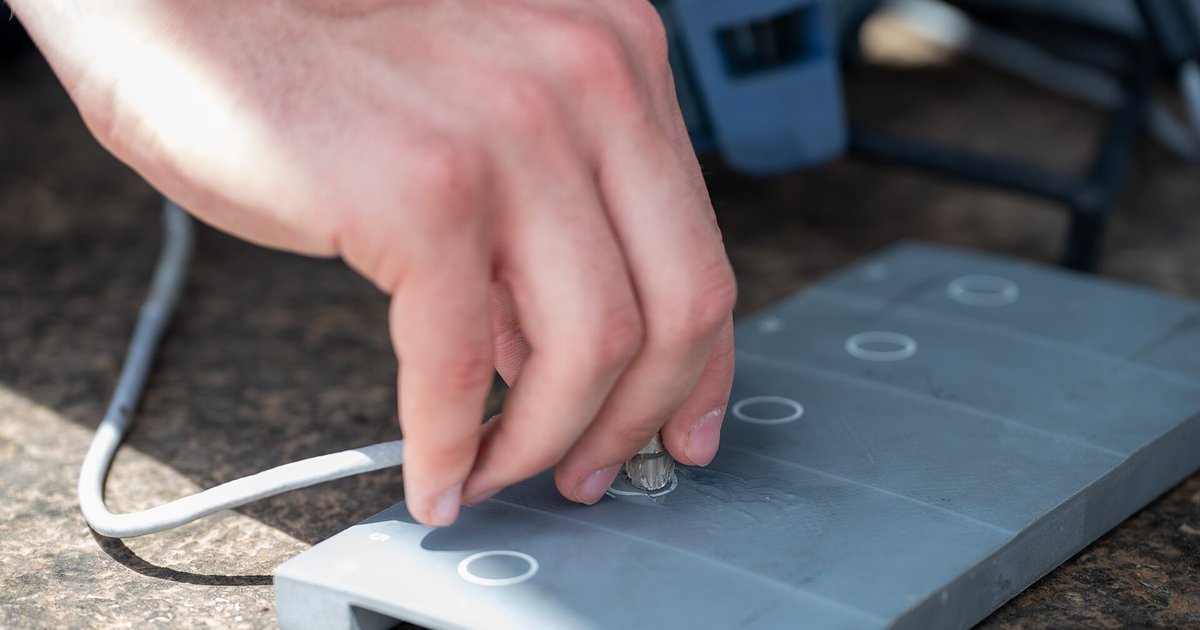
The VersaXRM 5 Insight does multi-scale non-destructive 3D imaging without moving the sample between machines, with automated AI-enabled reconstruction.
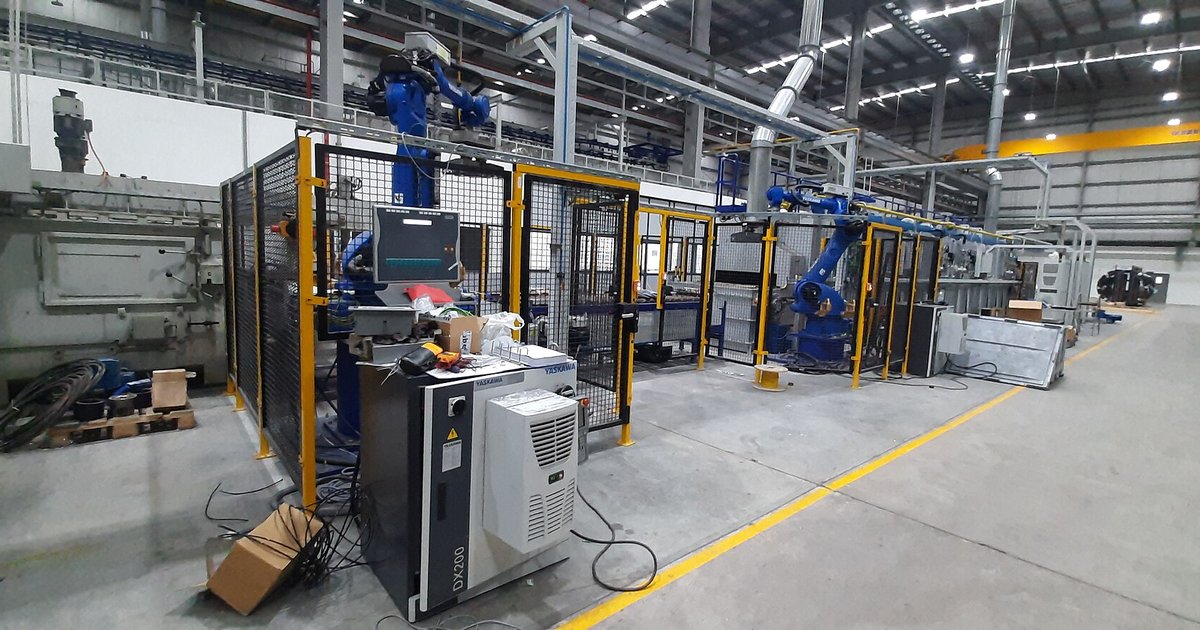
A clarification version of the specification has passed TÜV evaluation, a layer tester and lab documents are out, and PA Profile 4.10 enters review in 2026 for functionally safe process field devices.
Tell us what you're building and we'll help you scope the first deployment.